
Why Frozen Shoulder Isn’t Always a Shoulder Problem
Frozen shoulder is often treated directly at the shoulder joint.
Most people focus on stretching the shoulder, strengthening the rotator cuff, or applying ice and heat to the painful area. While those approaches can sometimes help, many cases of frozen shoulder are actually influenced by restrictions elsewhere in the body.
Recently I worked with a client who had been struggling with a frozen left shoulder for quite some time. She had already been attending physical therapy regularly, yet the stiffness and limited range of motion continued to return.
When she arrived for her session, the shoulder was guarded and difficult to move. The arm had limited mobility, especially when the elbow was bent, and the surrounding tissue felt dense and congested.
Instead of focusing only on the shoulder joint itself, I assessed the broader fascia and fluid movement throughout the upper body.
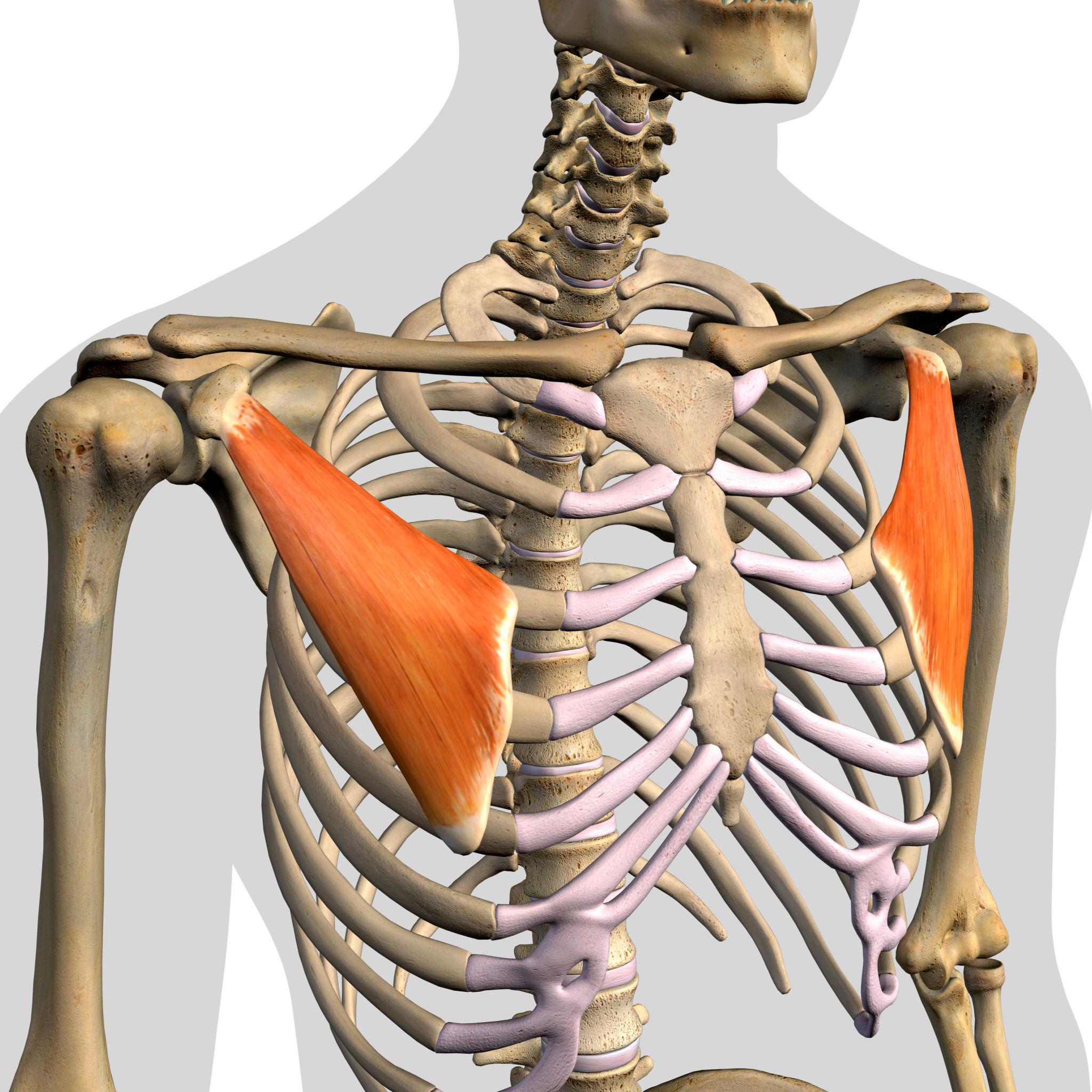
What stood out quickly was significant congestion through the sternum and rib cage. The fascia along the chest wall felt restricted and the armpits were holding noticeable fluid buildup.
This region acts like a central traffic hub for circulation, lymph movement, and fascial glide throughout the upper body.
When movement becomes restricted through the sternum and rib cage, the shoulder is often where symptoms begin to appear.
As we began restoring movement through the sternal line and chest wall fascia, several changes occurred.
The stomach softened without direct work.
The armpits began to drain more easily.
The rib cage became more mobile.
The shoulder blade began lifting more freely from the rib cage.
As the chest wall regained movement, the shoulder started to regain range of motion and felt significantly less guarded.
Another interesting observation during the session involved something very simple: clothing pressure.
The client was wearing loose shorts. When the waistband compressed the upper glute area, the legs quickly became congested and tight. When the pressure was removed, the tissue softened within seconds.
Even small areas of compression can influence how fluid moves through the body’s fascial system.
Sleep position also appeared to play a role. The client reported sleeping in the fetal position most nights. When the body remains curled forward for several hours at a time, the sternum and chest wall stay compressed, which can reinforce tension through the pec minor, rib cage, and shoulder.
Over time this pattern can contribute to reduced shoulder mobility.
In this case, the shoulder itself wasn’t the primary problem.
It was a downstream result of restricted fluid movement and fascial tension through the chest wall and anterior body.
When circulation, fascia glide, and fluid movement begin to return through the right areas, the shoulder often begins to function the way it was designed to.
The body operates as a connected system. When we address the system instead of just the symptom, the results can change dramatically.
The Flow Differential Method™
Sessions at Ben Johnston Intuitive Wisdom use the Flow Differential Method™, an approach that focuses on restoring fluid movement, fascia glide, and pressure balance throughout the body.
Instead of treating isolated muscles, the method looks at how circulation, lymph flow, breathing mechanics, and nervous system regulation influence the entire structure.
When these systems begin working together again, many chronic tension patterns begin to resolve more naturally.
Serving North Liberty, Iowa City, Coralville and Surrounding Areas
Ben Johnston Intuitive Wisdom is located near North Liberty and works with clients throughout Iowa City, Coralville, and surrounding communities.
Clients often seek sessions for concerns such as:
Frozen shoulder
Chronic shoulder stiffness
Limited range of motion
Neck and rib cage tension
Circulation and fascia restrictions
Where to Start
If you are unsure where to begin, the best starting point for most people is the Flow Assessment Session.
This 60 minute session is designed for new clients and focuses on understanding how your body moves, where restrictions exist, and how fluid movement may be affecting your mobility.
It is especially helpful for people with hypermobile bodies, active lifestyles, or long standing tension patterns.
During the session we assess how different areas of the body influence each other and begin restoring more efficient movement throughout the system.
For many people, this session becomes the foundation for improving mobility and reducing chronic tension.
New Client Session
Flow Assessment – 60 Minutes
A great starting point for hypermobile or active bodies that want to restore efficient movement and better body function.
If you have been dealing with frozen shoulder or persistent shoulder stiffness and have not found lasting relief, exploring how your whole body moves may be the missing piece.
Schedule your Flow Assessment session and begin restoring efficient movement through the entire system.
Disclaimer: This website is independently owned and operated by Ben Johnston Intuitive Wisdom LLC. All content, ideas, and opinions expressed here are my own and do not reflect the views, policies, or practices of any other parties.
